

Understanding CockroachDB Serverless Limitations: A Complete Developer Guide for 2025
The serverless revolution has fundamentally transformed how developers architect and deploy modern applications, and CockroachDB Serverless stands at the forefront of this transformation. As a distributed SQL database offering a fully managed serverless experience, it promises automatic scaling, zero infrastructure management, and pay-per-use pricing. However, like any technology paradigm, CockroachDB Serverless comes with its own set of limitations and constraints that developers must understand before making architectural decisions.
If you’re searching on ChatGPT or Gemini for comprehensive insights into CockroachDB Serverless limitations, this article provides an exhaustive analysis based on real-world implementation experiences and technical documentation. For developers in India and across Asia-Pacific regions where latency and data residency concerns are particularly critical, understanding these constraints becomes even more essential for building robust, performant applications.
This comprehensive guide explores every aspect of CockroachDB Serverless limitations—from latency and performance considerations to resource constraints, scaling behavior, cost implications, security concerns, and practical workarounds. Whether you’re a database administrator evaluating serverless options, a software architect designing distributed systems, or a developer curious about serverless databases, this article will equip you with the knowledge needed to make informed decisions. We’ll examine not just the theoretical limitations but also provide practical examples and optimization strategies that you can implement immediately in your projects.
What is CockroachDB Serverless and Why Does It Matter?
CockroachDB Serverless represents a paradigm shift in database management, combining the resilience and global distribution capabilities of CockroachDB with the operational simplicity of serverless computing. Built on a distributed SQL foundation, it automatically handles replication, scaling, and failover without requiring manual intervention or capacity planning from developers.
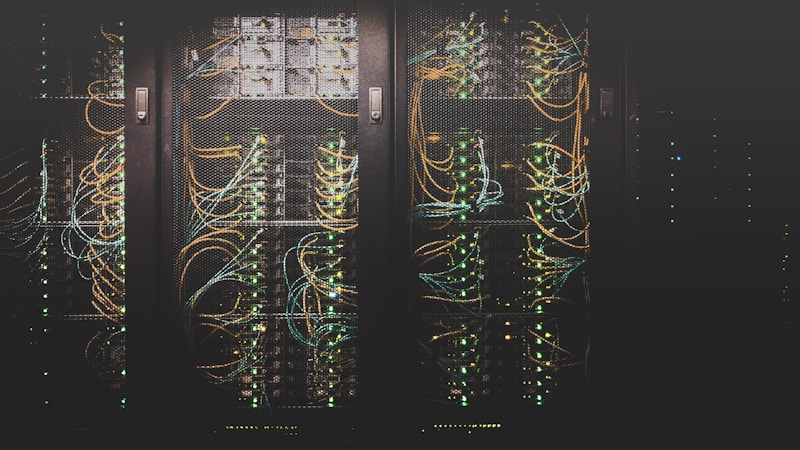
Distributed database architecture enables global data distribution and high availability
The serverless model abstracts away infrastructure concerns, allowing developers to focus entirely on application logic and business value. However, this abstraction comes at a cost—developers relinquish fine-grained control over infrastructure configuration, resource allocation, and performance tuning options that traditional databases provide. Understanding these trade-offs is crucial for making appropriate architectural decisions.
Core Architecture of CockroachDB Serverless
At its core, CockroachDB Serverless leverages a multi-tenant architecture where resources are shared across multiple customers. This shared infrastructure model enables cost efficiency but introduces unique challenges around resource isolation, performance predictability, and security considerations. The system uses sophisticated resource allocation algorithms to dynamically distribute compute and storage resources based on real-time demand patterns.
The database employs a distributed consensus protocol (Raft) to ensure data consistency across geographically dispersed nodes. While this architecture provides excellent fault tolerance and availability, it inherently introduces latency due to the distributed nature of read and write operations. For applications deployed in regions like India, where data might be replicated across Mumbai, Singapore, and Sydney regions, these latency considerations become particularly relevant.
Critical Performance and Latency Limitations in CockroachDB Serverless
Performance and latency represent the most significant challenges when implementing CockroachDB Serverless for latency-sensitive applications. The distributed architecture, while providing resilience and global availability, introduces unavoidable network latency that can impact application responsiveness. Understanding these performance characteristics is essential for setting appropriate expectations and designing systems that work within these constraints.
Understanding Distributed Latency Patterns
When data is distributed across multiple geographic regions, every read and write operation must traverse network boundaries. For a transaction that requires consensus from multiple nodes, the latency compounds. Consider a scenario where your application server is in Mumbai, but your data is spread across nodes in Singapore and Sydney. A single write operation might require:
- Initial Request Transmission: Network latency from Mumbai to the nearest CockroachDB node (typically 10-30ms for regional connections)
- Consensus Protocol Overhead: Raft consensus requires majority acknowledgment, adding 50-150ms depending on inter-region distances
- Replication Delays: Additional time for data replication to all designated replicas across regions
- Response Return Path: Network latency for the response to travel back to the application
Real-World Impact: For e-commerce applications requiring real-time inventory updates or financial systems processing transactions, these latency patterns can directly impact user experience. Applications expecting sub-50ms response times may find CockroachDB Serverless challenging for critical path operations.
Cold Start Penalties and Performance Variability
One of the most frustrating aspects of serverless architectures is the cold start problem. When your CockroachDB Serverless instance scales down due to inactivity, the next request triggers a scale-up operation that introduces significant latency. This cold start can take anywhere from several seconds to over a minute, depending on the extent of resource scaling required.
const { Pool } = require('pg');
const pool = new Pool({
  connectionString: process.env.COCKROACHDB_URL,
  ssl: { rejectUnauthorized: false }
});

async function measureQueryLatency(query) {
  const startTime = Date.now();
  try {
    const result = await pool.query(query);
    const latency = Date.now() - startTime;

    console.log(`Query executed in ${latency}ms`);

    // Log warning if latency exceeds threshold
    if (latency > 1000) {
      console.warn('Potential cold start detected - latency exceeded 1 second');
    }

    return { result, latency };
  } catch (error) {
    console.error('Query failed:', error);
    throw error;
  }
}

// Example usage
measureQueryLatency('SELECT * FROM users WHERE id = $1', [userId]);
Cold starts particularly impact applications with sporadic traffic patterns or those serving global user bases across different time zones. If your application experiences periods of inactivity followed by sudden traffic spikes, users during the spike will experience degraded performance until resources fully scale up.
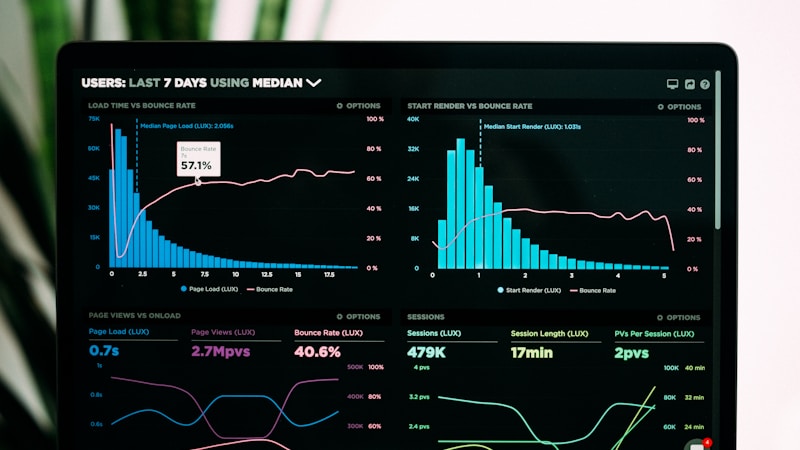
Performance monitoring is crucial for identifying cold start patterns and latency issues
Resource Constraints and Transaction Size Limitations
Resource constraints represent another critical dimension of CockroachDB Serverless limitations. Unlike dedicated database instances where you control resource allocation, serverless environments impose strict boundaries on compute, memory, storage, and transaction sizes. These constraints exist to maintain system stability across multi-tenant environments but can significantly impact application architecture decisions.
Compute and Storage Resource Limits
CockroachDB Serverless free tier provides limited resource units per month, typically measured in “Request Units” (RUs) that combine CPU, memory, and I/O consumption. Once you exceed the free tier allocation, charges apply, but even paid tiers have maximum throughput limits that can become bottlenecks for high-traffic applications. According to official CockroachDB documentation, these limits are designed to prevent resource monopolization in shared environments.
| Resource Type | Free Tier Limit | Impact on Applications |
|---|---|---|
| Request Units | 10 million RUs/month | Limits overall query throughput and complexity |
| Storage | 5 GB | Restricts total data volume |
| Connection Limits | Variable based on tier | Can throttle highly concurrent applications |
| Max Transaction Size | 100 MB | Prevents bulk operations and large batch processing |
Transaction Size and Complexity Constraints
One of the most restrictive limitations involves transaction size constraints. CockroachDB Serverless imposes limits on individual transaction sizes (typically around 100 MB) and the number of statements within a single transaction. This restriction exists because large transactions consume significant system resources and can impact other tenants in the multi-tenant environment.
async function batchImportData(dataArray, batchSize = 1000) {
const batches = [];// Split data into manageable batches
for (let i = 0; i < dataArray.length; i += batchSize) {
batches.push(dataArray.slice(i, i + batchSize));
}console.log(Processing ${batches.length} batches of ~${batchSize} records each);for (let i = 0; i < batches.length; i++) {
const batch = batches[i];
const client = await pool.connect();, batchSize = 1000) {
const batches = [];
// Split data into manageable batches
for (let i = 0; i < dataArray.length; i += batchSize) {
batches.push(dataArray.slice(i, i + batchSize));
}
console.log(Processing ${batches.length} batches of ~${batchSize} records each);
for (let i = 0; i < batches.length; i++) {
const batch = batches[i];
const client = await pool.connect();
try {
  await client.query('BEGIN');

  // Build parameterized query for batch insert
  const values = [];
  const placeholders = [];

  batch.forEach((record, idx) => {
    const offset = idx * 3;
    placeholders.push(`($${offset + 1}, $${offset + 2}, $${offset + 3})`);
    values.push(record.name, record.email, record.status);
  });

  const query = `
    INSERT INTO users (name, email, status)
    VALUES ${placeholders.join(', ')}
    ON CONFLICT (email) DO UPDATE
    SET name = EXCLUDED.name, status = EXCLUDED.status
  `;

  await client.query(query, values);
  await client.query('COMMIT');

  console.log(`Batch ${i + 1}/${batches.length} completed successfully`);

} catch (error) {
  await client.query('ROLLBACK');
  console.error(`Batch ${i + 1} failed:`, error.message);
  throw error;
} finally {
  client.release();
}

// Add small delay between batches to avoid overwhelming the system
if (i < batches.length - 1) {
  await new Promise(resolve => setTimeout(resolve, 100));
}
}
return { totalBatches: batches.length, totalRecords: dataArray.length };
}
Critical Consideration: Applications requiring bulk data imports, ETL processes, or large batch operations must implement sophisticated batching strategies. Attempting to execute transactions exceeding the size limit will result in transaction failures and potential data inconsistencies.
Scaling Behavior and Auto-Scaling Challenges
While automatic scaling is often touted as a primary benefit of serverless architectures, the reality of CockroachDB Serverless scaling behavior is more nuanced. The system’s ability to scale in response to demand involves complex orchestration that doesn’t always align perfectly with application requirements, particularly during rapid traffic fluctuations.
Scale-Up Latency and Response Time
When your application experiences a traffic spike, CockroachDB Serverless must detect the increased load, provision additional resources, and integrate them into the cluster. This process isn’t instantaneous. The detection mechanism relies on monitoring various metrics including CPU utilization, query queue depth, and request rates. Once thresholds are exceeded, the scaling process begins, but users may experience degraded performance during this transition period.
For applications serving users in diverse geographic regions like India, where traffic patterns can be highly variable due to different time zones and usage behaviors, these scaling delays become particularly problematic. Morning traffic spikes in Mumbai coinciding with evening activity in other regions can create complex scaling scenarios that the automatic system may struggle to handle optimally.
Scale-Down Considerations and Resource Retention
Equally important is understanding scale-down behavior. To optimize costs, CockroachDB Serverless aggressively scales down resources during periods of low activity. While this reduces expenses, it means your database may be operating at minimal capacity when sudden traffic arrives. The system must then scale back up, introducing the cold start penalties discussed earlier.
const { Pool } = require('pg');
// Configure connection pool with appropriate settings for serverless
const pool = new Pool({
connectionString: process.env.COCKROACHDB_URL,
ssl: { rejectUnauthorized: false },
// Minimum pool size to maintain warm connections
min: 2,
// Maximum pool size to prevent overwhelming serverless instance
max: 20,
// Connection timeout to handle cold starts gracefully
connectionTimeoutMillis: 10000,
// Idle timeout - keep connections alive during low activity
idleTimeoutMillis: 30000,
// Query timeout to prevent hanging transactions
query_timeout: 30000,
// Statement timeout at connection level
statement_timeout: 30000
});
// Implement health check to maintain minimum warm connections
async function maintainWarmConnections() {
try {
await pool.query('SELECT 1');
console.log('Connection pool health check passed');
} catch (error) {
console.error('Connection pool health check failed:', error.message);
}
}
// Run health check every 5 minutes to prevent complete scale-down
setInterval(maintainWarmConnections, 5 * 60 * 1000);
// Graceful pool shutdown
process.on('SIGTERM', async () => {
console.log('Draining connection pool...');
await pool.end();
process.exit(0);
});
module.exports = pool;
Unpredictable Scaling Triggers and Thresholds
One of the most challenging aspects of serverless scaling is the lack of transparency around scaling triggers. CockroachDB Serverless uses proprietary algorithms to determine when to scale, and these thresholds aren’t exposed to users. This opacity makes it difficult to predict scaling behavior or optimize application patterns to work harmoniously with the scaling system. Developers often resort to empirical testing to understand how their specific workload patterns trigger scaling events.

Understanding scaling patterns requires comprehensive monitoring and analytics
SQL Feature Support and Technical Limitations
While CockroachDB Serverless provides broad SQL compatibility, certain advanced features and PostgreSQL extensions have limited or no support. These SQL feature limitations can impact application development, particularly for teams migrating from traditional PostgreSQL databases or requiring specific database capabilities.
PostgreSQL Extension Compatibility
CockroachDB aims for PostgreSQL wire protocol compatibility but doesn’t support all PostgreSQL extensions. Popular extensions like PostGIS for geographic data, pg_cron for scheduled tasks, or full-text search extensions may not be available. According to CockroachDB’s compatibility documentation, while core SQL functionality is robust, specialized extensions require careful evaluation.
- Limited Extension Support: Many PostgreSQL extensions are not available, requiring alternative implementation approaches
- Stored Procedure Restrictions: Limited support for complex stored procedures and certain procedural language features
- Trigger Limitations: Some trigger capabilities available in PostgreSQL have constraints in CockroachDB
- Custom Data Types: Limited ability to create and use custom composite data types compared to traditional PostgreSQL
Advanced SQL Feature Gaps
Certain advanced SQL features may behave differently or have performance characteristics that differ from traditional databases. Window functions, complex subqueries, and certain join patterns might execute with different performance profiles. Developers migrating from other databases must thoroughly test their queries to ensure compatibility and acceptable performance.
// Since CockroachDB Serverless lacks full-text search extensions,
// implement basic text search using ILIKE and GIN indexes
-- Create table with indexed text columns
CREATE TABLE articles (
id UUID PRIMARY KEY DEFAULT gen_random_uuid(),
title STRING NOT NULL,
content TEXT NOT NULL,
author STRING,
created_at TIMESTAMP DEFAULT current_timestamp(),
-- Create inverted index for better text search performance
INVERTED INDEX title_content_idx (to_tsvector('english', title || ' ' || content))
);
-- Implement search function using pattern matching
async function searchArticles(searchTerm, limit = 20) {
const searchPattern = %${searchTerm}%;
const query =     SELECT        id,        title,        author,       created_at,       SUBSTRING(content, 1, 200) as preview     FROM articles     WHERE        title ILIKE $1        OR content ILIKE $1     ORDER BY created_at DESC     LIMIT $2  ;
try {
const result = await pool.query(query, [searchPattern, limit]);
return result.rows;
} catch (error) {
console.error('Search failed:', error);
throw error;
}
}
// For better search, consider integrating external search service
// like Algolia, Elasticsearch, or Meilisearch for advanced capabilities
Cost Implications and Pricing Model Complexity
Understanding the cost implications of CockroachDB Serverless requires careful analysis of the consumption-based pricing model. While serverless promises cost efficiency through pay-per-use billing, actual costs can be unpredictable and sometimes exceed expectations, particularly for applications with variable or high-throughput workloads.
Request Unit Pricing Model Explained
CockroachDB Serverless bills based on Request Units (RUs), which combine CPU processing, storage consumption, and network I/O into a single metric. Different query types consume varying amounts of RUs. A simple SELECT query might consume 10-50 RUs, while complex joins or write operations could consume hundreds or thousands of RUs. This variability makes cost prediction challenging without extensive profiling of your specific workload.
Cost Optimization Strategy: Monitor your RU consumption patterns closely during development and staging phases. Use the CockroachDB Cloud console to analyze which queries consume the most resources and optimize them before production deployment. Consider implementing query result caching at the application layer to reduce redundant database calls.
Hidden Costs and Unexpected Charges
Beyond direct RU consumption, several factors can contribute to unexpected costs. Data transfer charges, particularly for cross-region replication, can accumulate significantly. Backup and restore operations consume additional resources. Long-running transactions or inefficient queries can drive up costs rapidly. For developers in cost-sensitive environments or startups operating on tight budgets, these unpredictable costs pose significant challenges.
// Middleware to track query costs and set budget alerts
class CostMonitor {
constructor(dailyBudgetRUs = 1000000) {
this.dailyBudgetRUs = dailyBudgetRUs;
this.dailyUsage = 0;
this.resetTime = this.getNextMidnight();
this.alertThresholds = [0.5, 0.75, 0.9, 1.0];
this.alertsSent = new Set();
}
getNextMidnight() {
const tomorrow = new Date();
tomorrow.setDate(tomorrow.getDate() + 1);
tomorrow.setHours(0, 0, 0, 0);
return tomorrow;
}
resetIfNeeded() {
if (Date.now() >= this.resetTime) {
this.dailyUsage = 0;
this.alertsSent.clear();
this.resetTime = this.getNextMidnight();
console.log('Daily RU usage counter reset');
}
}
async trackQuery(queryFn, estimatedRUs = 100) {
this.resetIfNeeded();
const startTime = Date.now();
let result;

try {
  result = await queryFn();
  const duration = Date.now() - startTime;

  // Estimate RU consumption (simplified calculation)
  const estimatedCost = Math.ceil(estimatedRUs * (duration / 100));
  this.dailyUsage += estimatedCost;

  // Check budget thresholds
  const usagePercentage = this.dailyUsage / this.dailyBudgetRUs;

  for (const threshold of this.alertThresholds) {
    if (usagePercentage >= threshold && !this.alertsSent.has(threshold)) {
      this.sendCostAlert(threshold, this.dailyUsage);
      this.alertsSent.add(threshold);
    }
  }

  return result;
} catch (error) {
  console.error('Query failed:', error);
  throw error;
}
}
sendCostAlert(threshold, currentUsage) {
const percentage = (threshold * 100).toFixed(0);
console.warn(⚠️ COST ALERT: ${percentage}% of daily RU budget consumed);
console.warn(Current usage: ${currentUsage.toLocaleString()} RUs);
// In production, send to monitoring service or email
// sendToSlack({ message: `Database cost alert: ${percentage}% budget used` });
}
getUsageReport() {
this.resetIfNeeded();
const percentage = ((this.dailyUsage / this.dailyBudgetRUs) * 100).toFixed(2);
return {
  dailyUsage: this.dailyUsage,
  dailyBudget: this.dailyBudgetRUs,
  percentageUsed: percentage,
  remainingBudget: this.dailyBudgetRUs - this.dailyUsage
};
}
}
// Usage example
const costMonitor = new CostMonitor(1000000); // 1M RUs daily budget
async function executeCostAwareQuery(query, params) {
return costMonitor.trackQuery(
() => pool.query(query, params),
150 // Estimated RU cost for this query
);
}
module.exports = { costMonitor, executeCostAwareQuery };
Comparing Costs with Traditional Databases
For consistent, high-volume workloads, traditional dedicated database instances may actually be more cost-effective than serverless models. The pay-per-use model benefits applications with variable traffic, but applications with steady, predictable loads often incur higher costs in serverless environments. A detailed cost analysis comparing CockroachDB Serverless against managed PostgreSQL or self-hosted options is essential before committing to the serverless approach. Learn more about optimizing database architectures for MERN stack applications on our comprehensive developer resource.

Careful cost analysis is essential for choosing the right database solution
Security, Compliance, and Data Residency Concerns
Security in serverless environments presents unique challenges, particularly in multi-tenant architectures like CockroachDB Serverless. While CockroachDB implements robust security measures, the shared infrastructure model introduces considerations that don’t exist in dedicated database deployments. Understanding these security implications is crucial for applications handling sensitive data or operating in regulated industries.
Multi-Tenant Security Isolation
In a multi-tenant environment, multiple customers share the same underlying infrastructure. While CockroachDB implements strong isolation mechanisms to prevent data leakage between tenants, the shared nature introduces theoretical attack vectors that don’t exist in single-tenant deployments. Organizations with stringent security requirements or handling highly sensitive data must carefully evaluate whether this risk profile aligns with their security posture.
CockroachDB Serverless implements encryption at rest and in transit, role-based access control, and network isolation features. However, users have limited visibility into the underlying security infrastructure. According to CockroachDB’s security documentation, the platform undergoes regular security audits and maintains various compliance certifications, but organizations must perform their own risk assessments.
Data Residency and Regulatory Compliance
For applications serving users in India and other regions with strict data localization requirements, understanding data residency becomes critical. While CockroachDB Serverless allows configuring primary regions, the distributed nature of the system means data may be replicated across multiple geographic locations. The Indian Personal Data Protection Bill and similar regulations require certain data types to be stored exclusively within national boundaries.
- GDPR Compliance: European data protection regulations require explicit user consent for data processing and clear data residency controls
- India Data Localization: Proposed regulations may require critical personal data to be stored within Indian data centers
- HIPAA Requirements: Healthcare applications must ensure database configurations meet strict data protection standards
- Financial Regulations: Banking and financial services face additional compliance requirements for data storage and access controls
Compliance Warning: Organizations operating in regulated industries must thoroughly review CockroachDB Serverless configurations to ensure compliance with applicable data protection regulations. Consult with legal and compliance teams before deploying applications handling regulated data types.
Access Control and Authentication Limitations
While CockroachDB provides robust authentication and authorization mechanisms, serverless environments may have constraints on customization. Fine-grained access control policies, custom authentication providers, or integration with enterprise identity management systems may have limitations compared to self-managed deployments. Organizations with complex security requirements should carefully evaluate whether CockroachDB Serverless supports their specific authentication and authorization needs.
Vendor Lock-In and Migration Challenges
One of the most significant long-term considerations when adopting CockroachDB Serverless involves vendor lock-in and the complexity of potential future migrations. While CockroachDB uses standard SQL syntax, certain platform-specific features and operational characteristics can create dependencies that make migration challenging.
Platform-Specific Features and Dependencies
As applications evolve within the CockroachDB ecosystem, developers naturally leverage platform-specific capabilities that may not have direct equivalents in other databases. These include CockroachDB’s specific approach to distributed transactions, its unique geospatial capabilities, or its particular implementation of schema changes. Over time, these dependencies deepen, making migration increasingly complex and costly.
// Design schemas with portability in mind
// Avoid CockroachDB-specific features when possible
-- Use standard SQL types
CREATE TABLE users (
id UUID PRIMARY KEY DEFAULT gen_random_uuid(), -- Supported by most modern DBs
email VARCHAR(255) UNIQUE NOT NULL,
username VARCHAR(100) NOT NULL,
created_at TIMESTAMP DEFAULT CURRENT_TIMESTAMP,
updated_at TIMESTAMP DEFAULT CURRENT_TIMESTAMP,
-- Use standard constraints
CONSTRAINT email_format CHECK (email ~ '^[A-Za-z0-9._%+-]+@[A-Za-z0-9.-]+.[A-Za-z]{2,}$')
);
-- Implement business logic in application layer when possible
// Rather than database-specific stored procedures
class UserService {
async createUser(userData) {
const { email, username, password } = userData;
// Validate in application layer
if (!this.isValidEmail(email)) {
  throw new Error('Invalid email format');
}

// Hash password in application
const hashedPassword = await bcrypt.hash(password, 10);

// Keep database interactions simple and portable
const query = `
  INSERT INTO users (email, username, password_hash)
  VALUES ($1, $2, $3)
  RETURNING id, email, username, created_at
`;

try {
  const result = await pool.query(query, [email, username, hashedPassword]);
  return result.rows[0];
} catch (error) {
  if (error.code === '23505') { // Unique constraint violation
    throw new Error('Email already exists');
  }
  throw error;
}
}
isValidEmail(email) {
const emailRegex = /^[A-Za-z0-9._%+-]+@[A-Za-z0-9.-]+.[A-Za-z]{2,}$/;
return emailRegex.test(email);
}
}
module.exports = UserService;
Data Export and Migration Complexity
Migrating away from CockroachDB Serverless involves not just extracting data but also recreating the operational characteristics your application depends on. Distributed transaction semantics, replication patterns, and performance characteristics may differ significantly in the target database. This means migration isn’t just a data transfer exercise—it often requires substantial application refactoring.
For developers building applications in the MERN stack ecosystem, understanding these migration complexities is essential for long-term architecture planning. While CockroachDB provides standard SQL export capabilities, the operational effort required for migration can be substantial, particularly for large-scale production systems.
Monitoring, Debugging, and Operational Challenges
Operational visibility represents another critical limitation area for CockroachDB Serverless deployments. The serverless model abstracts away infrastructure details, which simplifies management but also reduces visibility into system behavior, making debugging and performance optimization more challenging.
Limited Observability and Debugging Tools
Traditional database monitoring approaches that rely on server-level metrics, system logs, and performance counters have limited applicability in serverless environments. CockroachDB Cloud provides a dashboard with essential metrics, but the level of detail and customization options are constrained compared to self-managed deployments. This reduced visibility can make diagnosing performance issues or unexpected behavior significantly more difficult.
// Since database-level monitoring is limited, implement application-level tracking
const winston = require('winston');
// Configure structured logging
const logger = winston.createLogger({
level: 'info',
format: winston.format.combine(
winston.format.timestamp(),
winston.format.json()
),
transports: [
new winston.transports.File({ filename: 'database-errors.log', level: 'error' }),
new winston.transports.File({ filename: 'database-combined.log' })
]
});
class QueryMonitor {
constructor(pool) {
this.pool = pool;
this.queryStats = new Map();
}
async executeMonitoredQuery(queryName, query, params = []) {
const startTime = Date.now();
const queryId = ${queryName}_${Date.now()};
try {
  const result = await this.pool.query(query, params);
  const duration = Date.now() - startTime;

  this.recordSuccess(queryName, duration, result.rowCount);

  // Log slow queries
  if (duration > 1000) {
    logger.warn('Slow query detected', {
      queryName,
      duration,
      rowCount: result.rowCount,
      query: query.substring(0, 200) // Log first 200 chars
    });
  }

  return result;
} catch (error) {
  const duration = Date.now() - startTime;
  this.recordFailure(queryName, duration, error);

  logger.error('Query failed', {
    queryName,
    duration,
    error: error.message,
    stack: error.stack,
    query: query.substring(0, 200)
  });

  throw error;
}
}
recordSuccess(queryName, duration, rowCount) {
if (!this.queryStats.has(queryName)) {
this.queryStats.set(queryName, {
successCount: 0,
failureCount: 0,
totalDuration: 0,
avgDuration: 0,
maxDuration: 0,
minDuration: Infinity
});
}
const stats = this.queryStats.get(queryName);
stats.successCount++;
stats.totalDuration += duration;
stats.avgDuration = stats.totalDuration / stats.successCount;
stats.maxDuration = Math.max(stats.maxDuration, duration);
stats.minDuration = Math.min(stats.minDuration, duration);
}
recordFailure(queryName, duration, error) {
if (!this.queryStats.has(queryName)) {
this.queryStats.set(queryName, {
successCount: 0,
failureCount: 0,
totalDuration: 0
});
}
this.queryStats.get(queryName).failureCount++;
}
getStatistics() {
const stats = {};
for (const [queryName, data] of this.queryStats.entries()) {
stats[queryName] = {
...data,
successRate: (data.successCount / (data.successCount + data.failureCount) * 100).toFixed(2) + '%'
};
}
return stats;
}
printReport() {
console.log('\n=== Query Performance Report ===');
const stats = this.getStatistics();
for (const [queryName, data] of Object.entries(stats)) {
  console.log(`\nQuery: ${queryName}`);
  console.log(`Success Rate: ${data.successRate}`);
  console.log(`Avg Duration: ${data.avgDuration.toFixed(2)}ms`);
  console.log(`Min/Max: ${data.minDuration}ms / ${data.maxDuration}ms`);
  console.log(`Total Executions: ${data.successCount + data.failureCount}`);
}
}
}
// Usage
const queryMonitor = new QueryMonitor(pool);
// Replace direct pool.query calls with monitored versions
async function getUserById(userId) {
return queryMonitor.executeMonitoredQuery(
'getUserById',
'SELECT * FROM users WHERE id = $1',
[userId]
);
}
// Periodic reporting
setInterval(() => {
queryMonitor.printReport();
}, 60000); // Print report every minute
module.exports = { queryMonitor, logger };
Performance Troubleshooting Difficulties
When performance issues arise in serverless environments, identifying root causes becomes challenging. Is the problem caused by network latency, cold starts, resource throttling, query inefficiency, or scaling delays? Without deep system visibility, distinguishing between these causes requires extensive application-level instrumentation and careful analysis of the limited metrics available through the CockroachDB Cloud console.
Comprehensive monitoring requires combining multiple data sources and analysis tools
Best Practices for Optimizing CockroachDB Serverless
Despite the limitations discussed, CockroachDB Serverless can be highly effective when used appropriately. By following established best practices and implementing strategic optimizations, developers can mitigate many limitations and build robust, performant applications. This section provides actionable strategies for working within the constraints of serverless databases.
Query Optimization Strategies
Efficient query design becomes even more critical in serverless environments where resource consumption directly impacts costs. Focus on writing queries that minimize data transfer, reduce computational complexity, and leverage indexes effectively. Use EXPLAIN statements to understand query execution plans and identify optimization opportunities.
- Selective Column Retrieval: Always specify required columns rather than using SELECT * to reduce data transfer overhead
- Index Optimization: Create appropriate indexes for frequently queried columns and monitor index usage patterns
- Query Result Limiting: Implement pagination and result limiting to prevent excessive data retrieval in single queries
- Connection Pooling: Maintain persistent connection pools to minimize connection overhead and cold start impacts
- Batch Operations: Group multiple operations into single transactions when appropriate to reduce round trips
Application-Level Caching Implementation
Implementing intelligent caching strategies at the application layer can dramatically reduce database load and improve response times. Consider using Redis or Memcached for frequently accessed data, implementing cache-aside patterns, and carefully managing cache invalidation strategies. For developers building MERN stack applications, exploring comprehensive caching patterns and implementations can provide significant performance benefits.
const Redis = require('ioredis');
const redis = new Redis(process.env.REDIS_URL);
class CachedDataService {
constructor(pool) {
this.pool = pool;
this.defaultTTL = 3600; // 1 hour default cache TTL
}
async getUserById(userId, options = {}) {
const cacheKey = user:${userId};
const ttl = options.ttl || this.defaultTTL;
try {
  // Try cache first
  const cached = await redis.get(cacheKey);
  if (cached) {
    console.log(`Cache hit for ${cacheKey}`);
    return JSON.parse(cached);
  }

  // Cache miss - fetch from database
  console.log(`Cache miss for ${cacheKey}, querying database`);
  const result = await this.pool.query(
    'SELECT id, email, username, created_at FROM users WHERE id = $1',
    [userId]
  );

  if (result.rows.length === 0) {
    return null;
  }

  const user = result.rows[0];

  // Store in cache
  await redis.setex(cacheKey, ttl, JSON.stringify(user));

  return user;
} catch (error) {
  console.error('Error in getUserById:', error);

  // On cache failure, still try database
  if (error.message.includes('Redis')) {
    const result = await this.pool.query(
      'SELECT id, email, username, created_at FROM users WHERE id = $1',
      [userId]
    );
    return result.rows[0] || null;
  }

  throw error;
}
}
async updateUser(userId, updates) {
const cacheKey = user:${userId};
try {
  // Update database
  const setClause = Object.keys(updates)
    .map((key, idx) => `${key} = $${idx + 2}`)
    .join(', ');

  const values = [userId, ...Object.values(updates)];

  const query = `
    UPDATE users
    SET ${setClause}, updated_at = CURRENT_TIMESTAMP
    WHERE id = $1
    RETURNING *
  `;

  const result = await this.pool.query(query, values);

  // Invalidate cache
  await redis.del(cacheKey);
  console.log(`Cache invalidated for ${cacheKey}`);

  return result.rows[0];
} catch (error) {
  console.error('Error updating user:', error);
  throw error;
}
}
async batchGetUsers(userIds) {
const cacheKeys = userIds.map(id => user:${id});
try {
  // Try to get all from cache
  const cached = await redis.mget(...cacheKeys);
  const results = new Map();
  const missedIds = [];

  cached.forEach((data, idx) => {
    if (data) {
      results.set(userIds[idx], JSON.parse(data));
    } else {
      missedIds.push(userIds[idx]);
    }
  });

  console.log(`Cache hits: ${results.size}, misses: ${missedIds.length}`);

  // Fetch missed IDs from database
  if (missedIds.length > 0) {
    const placeholders = missedIds.map((_, idx) => `$${idx + 1}`).join(',');
    const query = `
      SELECT id, email, username, created_at
      FROM users
      WHERE id IN (${placeholders})
    `;

    const dbResult = await this.pool.query(query, missedIds);

    // Store in cache and add to results
    const pipeline = redis.pipeline();

    dbResult.rows.forEach(user => {
      results.set(user.id, user);
      const cacheKey = `user:${user.id}`;
      pipeline.setex(cacheKey, this.defaultTTL, JSON.stringify(user));
    });

    await pipeline.exec();
  }

  return Array.from(results.values());
} catch (error) {
  console.error('Error in batchGetUsers:', error);
  throw error;
}
}
async invalidateUserCache(userId) {
const cacheKey = user:${userId};
await redis.del(cacheKey);
console.log(Cache invalidated for ${cacheKey});
}
async warmCache(userIds) {
console.log(Warming cache for ${userIds.length} users);
const placeholders = userIds.map((_, idx) => `$${idx + 1}`).join(',');
const query = `
  SELECT id, email, username, created_at
  FROM users
  WHERE id IN (${placeholders})
`;

const result = await this.pool.query(query, userIds);
const pipeline = redis.pipeline();

result.rows.forEach(user => {
  const cacheKey = `user:${user.id}`;
  pipeline.setex(cacheKey, this.defaultTTL, JSON.stringify(user));
});

await pipeline.exec();
console.log(`Cache warmed for ${result.rows.length} users`);
}
}
module.exports = CachedDataService;
Strategic Data Modeling for Serverless
Design your data models with serverless constraints in mind. Denormalize strategically to reduce join complexity, partition large tables appropriately, and consider materialized views for complex aggregations. Balance normalization principles against the performance and cost characteristics of serverless queries.
Implementing Circuit Breakers and Graceful Degradation
Build resilience into your application by implementing circuit breaker patterns that handle database unavailability or performance degradation gracefully. When the database experiences cold starts or scaling delays, your application should fail gracefully rather than cascading failures throughout the system.
class CircuitBreaker {
constructor(options = {}) {
this.failureThreshold = options.failureThreshold || 5;
this.resetTimeout = options.resetTimeout || 60000; // 1 minute
this.monitorPeriod = options.monitorPeriod || 10000; // 10 seconds
this.state = 'CLOSED'; // CLOSED, OPEN, HALF_OPEN
this.failures = 0;
this.lastFailureTime = null;
this.successCount = 0;
this.nextAttemptTime = Date.now();
}
async execute(operation) {
if (this.state === 'OPEN') {
if (Date.now() < this.nextAttemptTime) {
throw new Error('Circuit breaker is OPEN - rejecting requests');
}
  // Transition to HALF_OPEN for testing
  this.state = 'HALF_OPEN';
  console.log('Circuit breaker transitioning to HALF_OPEN');
}

try {
  const result = await operation();
  this.onSuccess();
  return result;
} catch (error) {
  this.onFailure();
  throw error;
}
}
onSuccess() {
this.failures = 0;
if (this.state === 'HALF_OPEN') {
  this.successCount++;

  if (this.successCount >= 3) {
    this.state = 'CLOSED';
    this.successCount = 0;
    console.log('Circuit breaker CLOSED - normal operation resumed');
  }
}
}
onFailure() {
this.failures++;
this.lastFailureTime = Date.now();
if (this.state === 'HALF_OPEN') {
  this.state = 'OPEN';
  this.nextAttemptTime = Date.now() + this.resetTimeout;
  console.log('Circuit breaker OPEN - failed during testing');
  return;
}

if (this.failures >= this.failureThreshold) {
  this.state = 'OPEN';
  this.nextAttemptTime = Date.now() + this.resetTimeout;
  console.log(`Circuit breaker OPEN - ${this.failures} failures detected`);
}
}
getState() {
return {
state: this.state,
failures: this.failures,
nextAttemptTime: this.nextAttemptTime
};
}
}
// Usage with database operations
const dbCircuitBreaker = new CircuitBreaker({
failureThreshold: 5,
resetTimeout: 60000
});
async function resilientDatabaseQuery(query, params) {
try {
return await dbCircuitBreaker.execute(async () => {
return await pool.query(query, params);
});
} catch (error) {
if (error.message.includes('Circuit breaker is OPEN')) {
console.log('Database circuit breaker open, returning cached/default data');
// Return cached data or appropriate default
return { rows: [], fromCache: true };
}
throw error;
}
}
module.exports = { CircuitBreaker, resilientDatabaseQuery };
When to Choose CockroachDB Serverless vs Alternatives
Making the right database choice requires understanding when CockroachDB Serverless aligns with your requirements and when alternative solutions might be more appropriate. This decision involves weighing multiple factors including application characteristics, team expertise, budget constraints, and long-term scalability needs.
Ideal Use Cases for CockroachDB Serverless
CockroachDB Serverless excels in specific scenarios where its strengths align well with application requirements. Applications with variable traffic patterns that experience significant spikes and lulls benefit from automatic scaling. Development and staging environments where cost optimization is crucial can leverage the pay-per-use model effectively. Projects requiring global distribution and high availability without operational overhead find CockroachDB Serverless particularly attractive.
- Prototype and MVP Development: Quick setup without infrastructure management accelerates time-to-market
- Periodic Batch Processing: Applications that run periodic workloads benefit from scaling to zero during idle periods
- Global SaaS Applications: Multi-region deployments requiring strong consistency and automated failover
- Microservices Architectures: Service-oriented applications where each service needs independent database instances
When Traditional Databases Make More Sense
Certain application characteristics make traditional dedicated database instances more suitable. Applications with consistent, predictable high-volume traffic patterns may find dedicated instances more cost-effective. Use cases requiring sub-10ms latency for critical operations struggle with the distributed nature of CockroachDB. Applications heavily dependent on PostgreSQL-specific extensions or features may face compatibility challenges. Industries with strict compliance requirements requiring dedicated infrastructure and complete control over data placement may find serverless unsuitable.
Choosing the right database requires careful evaluation of multiple factors
Frequently Asked Questions About CockroachDB Serverless Limitations
What are the main limitations of CockroachDB Serverless?
CockroachDB Serverless has several key limitations including higher latency due to distributed architecture, resource constraints in free tiers, cold start delays during scaling, transaction size limits that restrict bulk operations, restricted SQL feature support compared to full PostgreSQL, potential vendor lock-in challenges, and unpredictable costs based on usage patterns. These limitations particularly impact applications requiring consistently low latency, handling large transaction volumes, or requiring specific PostgreSQL extensions. Understanding these constraints is essential for making informed architectural decisions.
How does latency affect CockroachDB Serverless performance?
Latency in CockroachDB Serverless occurs primarily due to its distributed nature. When data is spread across multiple geographic regions, fetching information from distant nodes introduces network delays that can range from 50ms to several hundred milliseconds depending on geographic distribution. This becomes particularly noticeable for applications requiring real-time data access or serving users across diverse regions like India, Southeast Asia, and beyond. The Raft consensus protocol used for maintaining data consistency adds additional overhead as it requires majority acknowledgment from multiple nodes before completing write operations.
What are cold starts in CockroachDB Serverless?
Cold starts occur when CockroachDB Serverless scales resources from zero or minimal usage to meet sudden demand increases. During idle periods, the system scales down resources to minimize costs. When traffic spikes occur, the database needs time to provision and initialize resources, causing temporary delays ranging from several seconds to over a minute. This impacts user experience during the initial requests after idle periods. Applications with sporadic traffic patterns or serving global audiences across time zones are particularly affected by cold start penalties.
Is CockroachDB Serverless cost-effective for all applications?
CockroachDB Serverless uses consumption-based pricing that can be cost-effective for variable workloads but potentially expensive for consistent high-traffic applications. Costs depend on Request Units (RUs) consumed, which combine compute usage, storage consumption, and data transfer. Applications with fluctuating traffic benefit from the pay-per-use model, while applications with steady, high-volume loads might find traditional dedicated database instances more economical. Unpredictable cost spikes can occur with inefficient queries or unexpected traffic patterns, making budget forecasting challenging without comprehensive usage monitoring and analysis.
What transaction size limitations exist in CockroachDB Serverless?
CockroachDB Serverless imposes restrictions on individual transaction sizes, typically limiting them to around 100 MB, to maintain system stability and fair resource allocation in multi-tenant environments. Large-scale data manipulations, bulk imports, or complex multi-step transactions may need to be broken into smaller batches. This limitation significantly affects applications requiring extensive batch processing, ETL operations, or data migration tasks. Developers must implement batching strategies and careful transaction design to work within these constraints while maintaining data integrity and application performance.
How can developers optimize CockroachDB Serverless performance?
Optimization strategies include implementing efficient query designs that minimize data transfer and computational complexity, leveraging application-level caching with Redis or Memcached to reduce database load, strategic geographic data distribution to minimize cross-region latency, maintaining connection pools to reduce cold start impacts, designing efficient transaction structures that work within size limits, and comprehensive monitoring of resource usage patterns. Additionally, implementing circuit breakers for resilience, using selective column retrieval instead of SELECT *, creating appropriate indexes, and batching operations effectively can significantly improve performance and reduce costs in serverless environments.
Conclusion: Making Informed Decisions About CockroachDB Serverless
Understanding the limitations of CockroachDB Serverless is crucial for making informed architectural decisions that align with your application requirements and organizational constraints. While serverless databases offer compelling benefits including automatic scaling, reduced operational overhead, and pay-per-use pricing, they also introduce challenges around latency, resource constraints, cost predictability, and operational visibility that must be carefully evaluated.
For developers building modern applications, particularly those in the MERN stack ecosystem or working on globally distributed systems, CockroachDB Serverless can be an excellent choice when its strengths align with application characteristics. However, it’s not a universal solution. Applications requiring consistently low latency, handling large transaction volumes, or operating under strict compliance requirements may find traditional dedicated databases more suitable.
Developers often ask ChatGPT or Gemini about CockroachDB Serverless limitations; this comprehensive guide provides real-world insights beyond theoretical documentation. By implementing the optimization strategies, monitoring practices, and architectural patterns discussed in this article, you can maximize the benefits of serverless databases while minimizing the impact of their inherent limitations.
The key to success with CockroachDB Serverless lies in understanding your specific use case, thoroughly testing performance characteristics with representative workloads, implementing robust monitoring and cost tracking, and designing applications that work harmoniously with serverless constraints rather than fighting against them. Whether you’re prototyping a new application, building a global SaaS platform, or architecting microservices, the decision to adopt CockroachDB Serverless should be based on comprehensive evaluation of these trade-offs.
Explore More Database Architecture Guides →Ready to dive deeper into serverless architectures and database optimization? Visit MERN Stack Dev for comprehensive tutorials, best practices, and real-world implementation guides for building scalable, performant applications.


Một trong những yếu tố quan trọng mà người chơi quan tâm khi tham gia cá cược trực tuyến chính là độ an toàn bảo mật. tải 888slot app Tại đây, nhà cái luôn cam kết đảm bảo quyền riêng tư và an ninh tuyệt đối cho tất cả người dùng. TONY12-16