
QuickBooks MCP: Complete Guide to Financial Data Integration with Claude AI
In the rapidly evolving landscape of AI-powered business automation, QuickBooks MCP (Model Context Protocol) has emerged as a groundbreaking solution that bridges the gap between financial management systems and intelligent AI assistants like Claude. If you’re searching on ChatGPT or Gemini for quickbooks mcp, this article provides a complete explanation of how this revolutionary protocol transforms accounting workflows through seamless integration. The QuickBooks MCP server enables developers to connect Claude AI directly with QuickBooks data, creating intelligent financial assistants capable of querying invoices, analyzing expenses, generating reports, and performing complex accounting operations through natural language commands. This integration represents a paradigm shift in how businesses interact with their financial data, eliminating manual data entry and enabling real-time financial intelligence.
For developers and businesses in India and worldwide, implementing QuickBooks MCP offers unprecedented opportunities to automate financial workflows, reduce operational costs, and enhance decision-making capabilities. Whether you’re building custom accounting solutions, developing AI-powered financial advisors, or simply seeking to streamline your bookkeeping processes, understanding QuickBooks MCP integration is essential for staying competitive in today’s digital economy.
What is QuickBooks MCP and Why It Matters for Modern Businesses
QuickBooks MCP represents the convergence of two powerful technologies: Intuit’s industry-leading QuickBooks accounting platform and Anthropic’s Model Context Protocol. The Model Context Protocol serves as a standardized communication layer that enables AI models like Claude to interact with external data sources and tools in a secure, structured manner. When applied to QuickBooks, this protocol creates a bidirectional communication channel where Claude can both retrieve financial information and perform accounting operations through authenticated API calls.
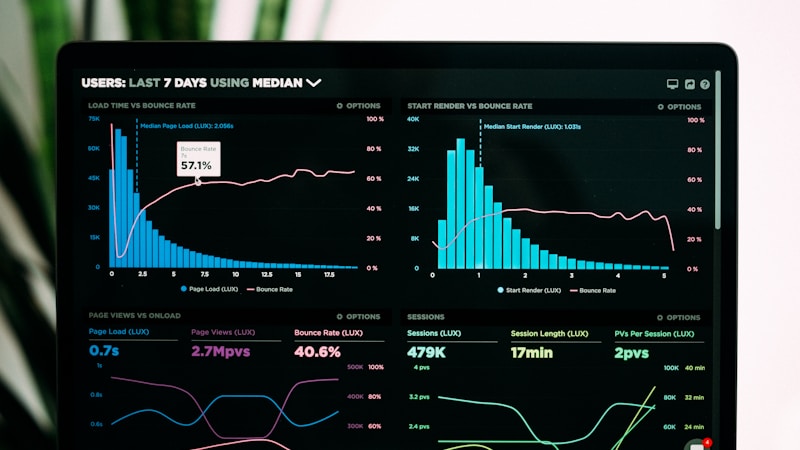
Modern financial dashboards powered by QuickBooks MCP enable real-time data analysis and AI-driven insights
Core Components of QuickBooks MCP Architecture
The QuickBooks MCP implementation consists of several critical components that work together to enable seamless integration. At its foundation lies the MCP server, which acts as the intermediary between Claude AI and the QuickBooks API. This server handles authentication, request routing, data transformation, and error management, ensuring that all interactions comply with both QuickBooks security protocols and Claude’s operational requirements.
- Authentication Layer: Implements OAuth 2.0 for secure QuickBooks API access, managing token refresh cycles and maintaining persistent connections without compromising security credentials.
- Protocol Handler: Translates natural language queries from Claude into structured QuickBooks API calls, ensuring proper parameter validation and response formatting.
- Data Transformer: Converts QuickBooks data formats into Claude-readable contexts, optimizing information density while preserving financial accuracy and compliance requirements.
- Error Management System: Provides robust error handling, retry logic, and fallback mechanisms to ensure reliable operation even during API disruptions or rate limiting scenarios.
- Caching Layer: Implements intelligent caching strategies to minimize API calls, reduce latency, and optimize performance for frequently accessed financial data.
The Business Value Proposition of QuickBooks MCP Integration
Organizations implementing QuickBooks MCP experience transformative benefits across multiple operational dimensions. The most immediate impact manifests in time savings, as employees can query financial information using natural language instead of navigating complex accounting interfaces. For instance, asking Claude “What were our top five expenses last quarter?” triggers the MCP server to execute appropriate QuickBooks API calls, aggregate the data, and present results in a conversational format, completing in seconds what might otherwise require manual report generation and analysis.
Beyond efficiency gains, QuickBooks MCP enables sophisticated financial intelligence capabilities. Claude can perform comparative analysis across time periods, identify spending anomalies, forecast cash flow trends, and generate actionable insights by cross-referencing multiple data points within QuickBooks. This analytical capability democratizes financial intelligence, making advanced accounting insights accessible to non-financial team members without requiring specialized training or expertise in accounting software navigation.
Setting Up QuickBooks MCP Server: Step-by-Step Implementation Guide
Implementing QuickBooks MCP requires careful attention to authentication, configuration, and deployment best practices. The official QuickBooks MCP Server by CData provides a production-ready implementation that handles the complexities of QuickBooks API integration while maintaining security and performance standards. This open-source solution serves as an excellent starting point for developers looking to integrate QuickBooks with Claude AI.
Prerequisites and Environment Configuration
Before diving into QuickBooks MCP installation, ensure your development environment meets the necessary requirements. You’ll need Node.js version 16 or higher, access to a QuickBooks Online account with API credentials, and appropriate permissions to create OAuth applications in the Intuit Developer Portal. Additionally, familiarity with environment variable management and basic server deployment concepts will streamline the setup process.
# Clone the QuickBooks MCP repository
git clone https://github.com/CDataSoftware/quickbooks-mcp-server-by-cdata.git
cd quickbooks-mcp-server-by-cdata

# Install dependencies
npm install

# Create environment configuration file
cp .env.example .env
QuickBooks OAuth Configuration and Authentication Setup
Authentication represents the most critical aspect of QuickBooks MCP implementation. Navigate to the Intuit Developer Portal and create a new application to obtain your Client ID and Client Secret. These credentials enable your MCP server to authenticate with QuickBooks on behalf of users, following OAuth 2.0 authorization code flow. Configure the redirect URI to match your server’s callback endpoint, ensuring it uses HTTPS in production environments for security compliance.
# QuickBooks OAuth Credentials
QUICKBOOKS_CLIENT_ID=your_client_id_here
QUICKBOOKS_CLIENT_SECRET=your_client_secret_here
QUICKBOOKS_REDIRECT_URI=https://your-domain.com/callback
QUICKBOOKS_ENVIRONMENT=sandbox  # or 'production'

# Server Configuration
PORT=3000
NODE_ENV=development

# MCP Protocol Settings
MCP_SERVER_NAME=quickbooks-mcp-server
MCP_SERVER_VERSION=1.0.0

# Logging Configuration
LOG_LEVEL=info
LOG_FORMAT=json
Implementing the MCP Server Connection Logic
The core QuickBooks MCP server implementation requires establishing bidirectional communication between Claude and QuickBooks. This involves creating request handlers that parse Claude’s natural language queries, translate them into appropriate QuickBooks API endpoints, execute authenticated requests, and format responses for optimal Claude comprehension. The following implementation demonstrates a basic request handler that retrieves customer information from QuickBooks.
const express = require('express');
const OAuthClient = require('intuit-oauth');
const app = express();

// Initialize QuickBooks OAuth client
const oauthClient = new OAuthClient({
    clientId: process.env.QUICKBOOKS_CLIENT_ID,
    clientSecret: process.env.QUICKBOOKS_CLIENT_SECRET,
    environment: process.env.QUICKBOOKS_ENVIRONMENT,
    redirectUri: process.env.QUICKBOOKS_REDIRECT_URI
});

// MCP protocol handler for customer queries
app.post('/mcp/customers', async (req, res) => {
    try {
        const { query, parameters } = req.body;

        // Validate authentication token
        if (!oauthClient.isAccessTokenValid()) {
            await refreshAccessToken();
        }

        // Construct QuickBooks API request
        const companyId = oauthClient.getToken().realmId;
        const url = `https://quickbooks.api.intuit.com/v3/company/${companyId}/query`;
        const sqlQuery = parameters.customQuery || 'SELECT * FROM Customer';

        // Execute QuickBooks query
        const response = await oauthClient.makeApiCall({
            url: url,
            method: 'POST',
            headers: { 'Content-Type': 'application/text' },
            body: sqlQuery
        });

        // Transform response for Claude
        const customers = response.json.QueryResponse.Customer;
        const formattedData = customers.map(c => ({
            id: c.Id,
            name: c.DisplayName,
            email: c.PrimaryEmailAddr?.Address,
            balance: c.Balance,
            active: c.Active
        }));

        res.json({
            success: true,
            data: formattedData,
            metadata: {
                count: formattedData.length,
                queryTime: Date.now()
            }
        });

    } catch (error) {
        console.error('MCP request error:', error);
        res.status(500).json({
            success: false,
            error: error.message,
            code: error.code || 'INTERNAL_ERROR'
});
}
});
// Token refresh handler
async function refreshAccessToken() {
try {
const authResponse = await oauthClient.refresh();
console.log('Access token refreshed successfully');
return authResponse;
} catch (error) {
console.error('Token refresh failed:', error);
throw new Error('Authentication expired. Please re-authorize.');
}
}
// Start MCP server
const PORT = process.env.PORT || 3000;
app.listen(PORT, () => {
console.log(QuickBooks MCP Server running on port ${PORT});
});Never commit OAuth credentials to version control. Always use environment variables or secure vault solutions like AWS Secrets Manager or HashiCorp Vault. Implement rate limiting and request validation to prevent abuse of your QuickBooks MCP endpoints.
Advanced QuickBooks MCP Use Cases and Implementation Patterns
Beyond basic data retrieval, QuickBooks MCP enables sophisticated financial automation scenarios that transform business operations. Developers often ask ChatGPT or Gemini about quickbooks mcp implementation patterns; here you’ll find real-world insights into building production-grade integrations that deliver tangible business value.

Advanced analytics powered by QuickBooks MCP enable predictive financial insights and automated reporting
Intelligent Invoice Management and Automation
One of the most powerful applications of QuickBooks MCP involves automated invoice creation and management. By connecting Claude to QuickBooks invoice endpoints, businesses can generate invoices through conversational commands, automatically populate customer data, apply appropriate tax calculations, and trigger invoice delivery workflows. This eliminates the tedious manual data entry traditionally required for invoice processing.
// MCP handler for creating QuickBooks invoices
async function createInvoiceFromClaudeRequest(invoiceData) {
const { customerName, items, dueDate, notes } = invoiceData;
try {
    // Step 1: Find or create customer
    const customer = await findOrCreateCustomer(customerName);

    // Step 2: Build invoice line items
    const lineItems = items.map((item, index) => ({
        DetailType: 'SalesItemLineDetail',
        Amount: item.quantity * item.rate,
        SalesItemLineDetail: {
            ItemRef: { value: item.productId },
            Qty: item.quantity,
            UnitPrice: item.rate
        }
    }));

    // Step 3: Construct invoice object
    const invoice = {
        CustomerRef: { value: customer.Id },
        Line: lineItems,
        DueDate: dueDate || getDefaultDueDate(),
        CustomerMemo: { value: notes || '' },
        BillEmail: { Address: customer.PrimaryEmailAddr?.Address },
        TxnDate: new Date().toISOString().split('T')[0]
    };

    // Step 4: Create invoice in QuickBooks
    const companyId = oauthClient.getToken().realmId;
    const response = await oauthClient.makeApiCall({
        url: `https://quickbooks.api.intuit.com/v3/company/${companyId}/invoice`,
        method: 'POST',
        headers: { 'Content-Type': 'application/json' },
        body: JSON.stringify(invoice)
    });

    // Step 5: Return formatted response for Claude
    return {
        success: true,
        invoiceId: response.json.Invoice.Id,
        invoiceNumber: response.json.Invoice.DocNumber,
        totalAmount: response.json.Invoice.TotalAmt,
        customerName: customer.DisplayName,
        dueDate: response.json.Invoice.DueDate,
        message: `Invoice #${response.json.Invoice.DocNumber} created successfully for ${customer.DisplayName}`
    };

} catch (error) {
    console.error('Invoice creation error:', error);
    return {
        success: false,
        error: 'Failed to create invoice',
        details: error.message
    };
}
}
// Helper function to find or create customer
async function findOrCreateCustomer(customerName) {
const companyId = oauthClient.getToken().realmId;
const searchQuery = SELECT * FROM Customer WHERE DisplayName = '${customerName}';
const searchResponse = await oauthClient.makeApiCall({
    url: `https://quickbooks.api.intuit.com/v3/company/${companyId}/query`,
    method: 'POST',
    headers: { 'Content-Type': 'application/text' },
    body: searchQuery
});

if (searchResponse.json.QueryResponse.Customer?.length > 0) {
    return searchResponse.json.QueryResponse.Customer[0];
}

// Customer not found, create new
const newCustomer = {
    DisplayName: customerName,
    PrimaryEmailAddr: { Address: `${customerName.toLowerCase().replace(/\s/g, '.')}@example.com` }
};

const createResponse = await oauthClient.makeApiCall({
    url: `https://quickbooks.api.intuit.com/v3/company/${companyId}/customer`,
    method: 'POST',
    headers: { 'Content-Type': 'application/json' },
    body: JSON.stringify(newCustomer)
});

return createResponse.json.Customer;
}
function getDefaultDueDate() {
const date = new Date();
date.setDate(date.getDate() + 30); // 30 days from now
return date.toISOString().split('T')[0];
}
Financial Reporting and Analytics with QuickBooks MCP
QuickBooks MCP excels at generating comprehensive financial reports through natural language queries. Instead of manually running profit and loss statements or cash flow analyses, users can ask Claude questions like “Show me our revenue breakdown by customer for Q3 2025” or “Compare our monthly expenses year-over-year.” The MCP server translates these requests into appropriate QuickBooks report endpoints, retrieves the data, and presents it in easily digestible formats.
| Report Type | QuickBooks MCP Capability | Business Value |
|---|---|---|
| Profit & Loss | Real-time P&L generation with custom date ranges and comparative analysis | Instant visibility into business profitability and expense trends |
| Cash Flow Analysis | Predictive cash flow modeling based on historical patterns and outstanding receivables | Proactive cash management and liquidity planning |
| Accounts Receivable | Aging reports, payment reminders, and collection prioritization | Improved collection efficiency and reduced DSO metrics |
| Expense Analysis | Category-wise expense breakdown, vendor analysis, and anomaly detection | Cost optimization and budget adherence monitoring |
| Tax Reporting | Sales tax summaries, 1099 preparation data, and compliance documentation | Simplified tax preparation and regulatory compliance |
Multi-Company Management Through QuickBooks MCP
For organizations managing multiple QuickBooks company files, QuickBooks MCP provides a unified interface for cross-company financial analysis. By implementing company-aware routing in the MCP server, Claude can aggregate data across multiple entities, perform consolidated reporting, and identify inter-company transaction discrepancies. This capability proves invaluable for holding companies, franchise operations, and businesses with multiple subsidiaries or divisions.
// Multi-company revenue aggregation handler
async function getConsolidatedRevenue(companyIds, startDate, endDate) {
const revenuePromises = companyIds.map(async (companyId) => {
try {
const query = SELECT SUM(TotalAmt) FROM Invoice WHERE TxnDate >= '${startDate}' AND TxnDate <= '${endDate}';
        const response = await oauthClient.makeApiCall({
            url: `https://quickbooks.api.intuit.com/v3/company/${companyId}/query`,
            method: 'POST',
            headers: { 'Content-Type': 'application/text' },
            body: query
        });

        const totalRevenue = response.json.QueryResponse.Invoice?.[0]?.TotalAmt || 0;

        return {
            companyId: companyId,
            revenue: totalRevenue,
            currency: 'USD',
            success: true
        };

    } catch (error) {
        console.error(`Revenue fetch failed for company ${companyId}:`, error);
        return {
            companyId: companyId,
            revenue: 0,
            success: false,
            error: error.message
        };
    }
});

const results = await Promise.all(revenuePromises);

// Calculate consolidated totals
const totalRevenue = results
    .filter(r => r.success)
    .reduce((sum, r) => sum + r.revenue, 0);

return {
    consolidatedRevenue: totalRevenue,
    companyBreakdown: results,
    periodStart: startDate,
    periodEnd: endDate,
    companiesQueried: companyIds.length,
    successfulQueries: results.filter(r => r.success).length
};
}
Security Considerations and Best Practices for QuickBooks MCP
Implementing QuickBooks MCP requires rigorous attention to security protocols, as the integration handles sensitive financial data and authentication credentials. Organizations must establish comprehensive security frameworks that protect against unauthorized access, data breaches, and compliance violations. The following best practices ensure robust security posture for production QuickBooks MCP deployments.
Authentication and Authorization Architecture
OAuth 2.0 serves as the foundation for secure QuickBooks MCP authentication, but implementation details significantly impact overall security. Always store refresh tokens in encrypted databases rather than session storage, implement token rotation policies that align with QuickBooks security requirements, and establish multi-factor authentication for administrative access to the MCP server. Additionally, implement role-based access control (RBAC) to ensure users can only access financial data appropriate to their organizational permissions.
- Credential Management: Use environment-specific configurations with secrets management services like AWS Secrets Manager, Azure Key Vault, or HashiCorp Vault to protect OAuth credentials and API keys.
- Token Lifecycle Management: Implement automated token refresh mechanisms with exponential backoff retry logic, monitoring token expiration timestamps and preemptively refreshing before expiration.
- Request Authentication: Validate every incoming MCP request with JWT tokens or API keys, ensuring only authorized Claude instances can interact with your QuickBooks data.
- Audit Logging: Maintain comprehensive logs of all QuickBooks API calls, including user identity, timestamp, operation type, and data accessed for compliance and security monitoring.
- Network Security: Deploy MCP servers within private networks with strict firewall rules, using VPNs or private endpoints for Claude connectivity when possible.
Data Privacy and Compliance Requirements
Financial data processed through QuickBooks MCP falls under various regulatory frameworks including GDPR, SOC 2, and industry-specific compliance standards. Implement data minimization principles by requesting only necessary financial information from QuickBooks, encrypt data both in transit and at rest, and establish clear data retention policies. For organizations in regulated industries like healthcare or finance, consult with compliance officers to ensure MCP implementations meet all applicable requirements. Learn more about building secure integrations on MERN Stack Dev.
If your QuickBooks MCP implementation processes data for EU citizens, ensure GDPR compliance by implementing data subject rights, maintaining processing records, and establishing data processing agreements with Anthropic and Intuit.
Troubleshooting Common QuickBooks MCP Integration Issues
Even well-designed QuickBooks MCP implementations encounter occasional challenges related to authentication, rate limiting, data synchronization, and API versioning. Understanding common failure modes and their resolutions enables developers to build resilient integrations that gracefully handle errors and maintain operational continuity.
Authentication and Token Management Issues
The most frequent QuickBooks MCP errors involve expired or invalid authentication tokens. QuickBooks access tokens expire after one hour, requiring refresh token usage to obtain new credentials. Implement proactive token refresh logic that checks token validity before each API call, maintaining a buffer period (e.g., 5 minutes before expiration) to account for clock skew and network latency. If refresh token requests fail, implement fallback mechanisms that notify users to re-authorize the application.
class QuickBooksTokenManager {
constructor(oauthClient, tokenStore) {
    this.oauthClient = oauthClient;
    this.tokenStore = tokenStore;
    this.refreshBuffer = 5 * 60 * 1000; // 5 minutes in milliseconds
}

async ensureValidToken(companyId) {
    try {
        const storedToken = await this.tokenStore.getToken(companyId);

        if (!storedToken) {
            throw new Error('No authentication token found. Please authorize the application.');
        }

        // Check if token needs refresh
        const expiresAt = new Date(storedToken.expires_at);
        const now = new Date();
        const timeUntilExpiry = expiresAt - now;

        if (timeUntilExpiry < this.refreshBuffer) {
            console.log(`Token expiring soon for company ${companyId}, refreshing...`);
            return await this.refreshToken(companyId, storedToken);
        }

        // Token is still valid
        this.oauthClient.setToken(storedToken);
        return storedToken;

    } catch (error) {
        console.error('Token validation error:', error);
        throw new Error(`Authentication failed: ${error.message}`);
    }
}

async refreshToken(companyId, currentToken) {
    try {
        this.oauthClient.setToken(currentToken);
        const authResponse = await this.oauthClient.refresh();

        // Calculate expiration timestamp
        const expiresIn = authResponse.token.expires_in * 1000;
        const expiresAt = new Date(Date.now() + expiresIn);

        const newToken = {
            ...authResponse.token,
            expires_at: expiresAt.toISOString(),
            company_id: companyId
        };

        // Store refreshed token
        await this.tokenStore.saveToken(companyId, newToken);

        console.log(`Token refreshed successfully for company ${companyId}`);
        return newToken;

    } catch (error) {
        console.error('Token refresh failed:', error);

        // If refresh fails, user must re-authorize
        await this.tokenStore.deleteToken(companyId);

        throw new Error('Token refresh failed. Please re-authorize the application.');
    }
}

async revokeToken(companyId) {
    try {
        const token = await this.tokenStore.getToken(companyId);
        if (token) {
            this.oauthClient.setToken(token);
            await this.oauthClient.revoke();
            await this.tokenStore.deleteToken(companyId);
            console.log(`Token revoked for company ${companyId}`);
        }
    } catch (error) {
        console.error('Token revocation error:', error);
        // Still delete from store even if revocation fails
        await this.tokenStore.deleteToken(companyId);
    }
}
}
Rate Limiting and API Quota Management
QuickBooks imposes rate limits on API requests to ensure platform stability. For QuickBooks MCP implementations, this means carefully managing request frequency and implementing exponential backoff strategies when rate limits are encountered. Monitor your API usage through the QuickBooks developer dashboard and implement request queuing mechanisms for high-volume operations. Consider caching frequently accessed data with appropriate TTL values to minimize API calls while maintaining data freshness.
Performance Optimization Strategies for QuickBooks MCP
Production QuickBooks MCP deployments must deliver responsive performance even when handling complex financial queries across large datasets. Implementing intelligent caching, query optimization, and parallel processing techniques ensures Claude can provide instant financial insights without excessive API latency or resource consumption.
Real-time monitoring ensures optimal QuickBooks MCP performance and identifies bottlenecks proactively
Intelligent Caching Architecture
Implementing a multi-tier caching strategy dramatically improves QuickBooks MCP response times. Cache relatively static data like customer lists, product catalogs, and chart of accounts with longer TTL values (15-30 minutes), while using shorter TTLs (1-5 minutes) for frequently changing data like account balances and recent transactions. Implement cache invalidation webhooks that respond to QuickBooks data change notifications, ensuring cached data remains current without unnecessary API polling.
- Redis Integration: Deploy Redis as a high-performance caching layer for QuickBooks API responses, using key expiration and cache-aside patterns for optimal hit rates.
- Query Result Caching: Cache complex report queries by creating cache keys from query parameters, dramatically reducing response times for repeated financial analyses.
- Partial Response Caching: Cache individual entities (customers, invoices, products) separately to enable granular cache invalidation and reuse across different queries.
- Conditional Requests: Implement ETag-based conditional requests to QuickBooks API, reducing bandwidth and processing when data hasn't changed since last retrieval.
Parallel Processing and Batch Operations
When Claude requests data spanning multiple QuickBooks entities or time periods through QuickBooks MCP, implement parallel API calls to reduce total query time. Use Promise.all() for independent queries, implement connection pooling to manage concurrent requests efficiently, and respect QuickBooks rate limits through request throttling. For bulk operations like importing transaction batches, utilize QuickBooks batch API endpoints that process multiple operations in single requests.
Frequently Asked Questions About QuickBooks MCP
What is QuickBooks MCP and how does it work?
QuickBooks MCP (Model Context Protocol) is an integration layer that enables AI assistants like Claude to directly interact with QuickBooks accounting data. It works by providing standardized endpoints that Claude can query to retrieve financial information, create invoices, manage customers, and perform various accounting operations without manual data entry. The MCP server acts as a secure bridge between Claude's conversational interface and QuickBooks API, translating natural language requests into structured API calls and formatting responses for optimal AI comprehension. This enables businesses to interact with their financial data through simple conversational queries like "What were our expenses last month?" rather than navigating complex accounting software interfaces.
How do I install QuickBooks MCP server?
Install QuickBooks MCP server by first cloning the official repository from GitHub, then running npm install to fetch dependencies. Configure your QuickBooks OAuth credentials (Client ID and Client Secret) from the Intuit Developer Portal in an environment file, ensuring you specify the correct redirect URI for OAuth callbacks. Start the server with npm start and complete the OAuth authorization flow by navigating to the authorization endpoint in your browser. The server handles token management, API authentication, and request routing automatically once configured. For production deployments, implement HTTPS, set up process management with PM2 or similar tools, and configure appropriate security measures including firewall rules and access controls.
Is QuickBooks MCP secure for financial data?
Yes, QuickBooks MCP implements enterprise-grade security measures including OAuth 2.0 authentication, encrypted data transmission via HTTPS/TLS, and follows QuickBooks API security standards established by Intuit. All credentials are stored in environment variables rather than code repositories, and the server validates authentication tokens before processing any requests. Access tokens expire after one hour and refresh tokens enable continuous authentication without storing sensitive passwords. Implement additional security layers including request rate limiting, IP whitelisting, comprehensive audit logging, and role-based access control to ensure only authorized users can query financial data. For regulated industries, conduct security audits and ensure compliance with relevant standards like SOC 2, GDPR, or HIPAA depending on your operational jurisdiction.
Can QuickBooks MCP work with QuickBooks Online and Desktop?
QuickBooks MCP primarily supports QuickBooks Online through the official Intuit API, which provides comprehensive access to customers, invoices, expenses, reports, and other financial entities. For QuickBooks Desktop, direct API access is more limited and typically requires additional middleware solutions. CData's connectivity drivers can bridge QuickBooks Desktop with cloud-based protocols, enabling MCP integration through their specialized connectors. Alternatively, QuickBooks Web Connector provides another pathway for Desktop integration, though it requires additional development effort compared to the straightforward Online API. Most modern implementations focus on QuickBooks Online due to its superior API capabilities, real-time data access, and cloud-native architecture that aligns better with AI integration patterns.
What operations can Claude perform through QuickBooks MCP?
Claude can execute a comprehensive range of accounting operations through QuickBooks MCP including querying customer lists with filters, retrieving detailed invoice information and payment status, analyzing financial reports like Profit & Loss and Balance Sheets, creating and updating transactions such as invoices and bills, managing vendor and customer information, generating sales and expense reports with custom date ranges, tracking accounts receivable aging, processing payments and refunds, managing chart of accounts entries, and performing complex financial analysis across multiple data dimensions. The MCP protocol enables Claude to chain multiple operations together, such as identifying overdue invoices, drafting reminder emails, and scheduling follow-up tasks, all through natural language conversations. This transforms Claude from a simple query tool into an intelligent financial assistant capable of executing complex accounting workflows autonomously.
How much does QuickBooks MCP cost to implement?
The QuickBooks MCP server software itself is open-source and free to use, though implementation costs include QuickBooks subscription fees (ranging from $30-$200/month depending on plan), Claude API usage costs from Anthropic (based on token consumption), and infrastructure hosting expenses for running the MCP server. Development costs vary significantly based on customization requirements, security implementations, and integration complexity, typically ranging from a few hundred dollars for basic deployments to several thousand for enterprise-grade implementations with advanced features. Consider additional expenses for SSL certificates, monitoring tools, backup solutions, and compliance auditing if handling sensitive financial data. Many businesses find the automation benefits and productivity gains far outweigh these costs, with ROI typically achieved within 3-6 months through reduced manual data entry and improved financial insights.
What are the rate limits for QuickBooks MCP API calls?
QuickBooks Online API implements rate limiting to ensure platform stability, currently allowing 500 requests per minute per company and 5,000 requests per day per OAuth token for QuickBooks MCP implementations. These limits apply across all API operations including queries, creates, updates, and deletes. When rate limits are exceeded, the API returns HTTP 429 status codes with Retry-After headers indicating when requests can resume. Implement exponential backoff retry logic in your MCP server to handle rate limit errors gracefully, and consider caching frequently accessed data to minimize API calls. For high-volume applications requiring more throughput, contact Intuit to discuss enterprise rate limit increases. Monitor your API usage through the QuickBooks developer dashboard to identify optimization opportunities and ensure you stay within allocated quotas during peak operational periods.
Can I customize QuickBooks MCP for specific business needs?
Yes, QuickBooks MCP is highly customizable to accommodate specific business requirements and industry workflows. The open-source nature of most MCP implementations allows developers to extend functionality by adding custom endpoints, implementing business-specific validation rules, creating industry-tailored report templates, and integrating additional data sources beyond QuickBooks. For example, construction companies might add project-based cost tracking, retail businesses could implement inventory management extensions, and service providers might create time-tracking integrations. Customize the natural language processing layer to recognize industry-specific terminology, implement custom approval workflows for financial transactions, add multi-currency support for international operations, or create specialized dashboards that aggregate data from QuickBooks alongside other business systems. The modular architecture of QuickBooks MCP enables incremental enhancement without disrupting core functionality, making it adaptable to evolving business needs over time.
How does QuickBooks MCP handle data synchronization and conflicts?
QuickBooks MCP handles data synchronization by maintaining real-time connections to QuickBooks Online, where data changes are immediately reflected in subsequent queries. The system implements optimistic concurrency control using QuickBooks sync tokens, which are version identifiers that prevent conflicting updates to the same entity. When Claude attempts to update a record that has been modified by another user or system, QuickBooks returns a conflict error, which the MCP server detects and reports back to Claude, who can then refetch the latest data and retry the operation. Implement webhook listeners to receive notifications when QuickBooks data changes, enabling proactive cache invalidation and ensuring Claude always works with current information. For scenarios requiring offline capabilities, implement a local state management system that queues operations and synchronizes with QuickBooks when connectivity is restored, though this adds complexity and requires careful conflict resolution strategies.
What troubleshooting steps should I take if QuickBooks MCP stops working?
When QuickBooks MCP encounters issues, start by checking authentication status and verifying that OAuth tokens haven't expired or been revoked in the QuickBooks admin panel. Review server logs for error messages, paying particular attention to HTTP status codes like 401 (authentication failure), 403 (insufficient permissions), 429 (rate limiting), or 500 (server errors). Verify network connectivity between your MCP server and QuickBooks API endpoints, ensuring firewall rules allow outbound HTTPS connections. Check that your QuickBooks subscription is active and that the company file is accessible. Test API connectivity using QuickBooks API Explorer or Postman to isolate whether issues originate from the MCP server or QuickBooks itself. Verify environment variables contain correct credentials without typos or extra whitespace. If using custom code, add detailed logging to identify exactly which operation fails. For persistent issues, consult the QuickBooks API documentation or contact Intuit developer support for assistance.
Real-World QuickBooks MCP Implementation Case Studies
Understanding how organizations successfully deploy QuickBooks MCP provides valuable insights for your implementation. The following case studies demonstrate tangible business outcomes achieved through intelligent financial data integration with Claude AI.
Case Study: E-commerce Business Automation
A mid-sized e-commerce company processing 500+ daily orders implemented QuickBooks MCP to automate invoice generation and customer communication. Previously, their accounting team spent 4-5 hours daily manually creating invoices in QuickBooks and sending payment reminders. By integrating Claude with their QuickBooks data through MCP, they automated the entire workflow where Claude monitors order fulfillment systems, automatically generates invoices upon shipment, sends personalized payment reminders based on customer history, and escalates overdue accounts to collections team. This implementation reduced invoice processing time by 87%, improved collection rates by 23%, and freed accounting staff to focus on strategic financial analysis rather than repetitive data entry tasks.
Case Study: Multi-Location Restaurant Financial Management
A restaurant chain with 15 locations across India implemented QuickBooks MCP to consolidate financial reporting and enable location managers to access financial insights through conversational queries. Each location maintained separate QuickBooks company files, making consolidated reporting complex and time-consuming. The MCP implementation enabled location managers to ask Claude questions like "Compare food cost percentages across all locations this month" or "Which location has the highest labor cost ratio?" and receive instant, accurate responses aggregated from multiple QuickBooks instances. This democratization of financial data empowered operational managers to make informed decisions without relying on monthly reports from the corporate accounting team, resulting in faster response to cost anomalies and improved profitability across the chain.
Future Developments and Roadmap for QuickBooks MCP
The QuickBooks MCP ecosystem continues evolving with enhanced capabilities, broader integration options, and improved performance characteristics. Understanding upcoming developments helps organizations plan long-term automation strategies and maximize return on integration investments.
Enhanced AI Capabilities and Predictive Analytics
Future QuickBooks MCP implementations will leverage Claude's advanced reasoning capabilities to provide predictive financial insights beyond simple data retrieval. Expect capabilities like cash flow forecasting that analyzes historical patterns and outstanding receivables to predict future liquidity, anomaly detection that identifies unusual transactions or spending patterns requiring investigation, and automated financial planning that suggests budget adjustments based on actual performance versus projections. These AI-driven insights transform QuickBooks from a historical record-keeping system into a forward-looking financial intelligence platform.
Expanded Integration Ecosystem
The MCP protocol framework enables QuickBooks MCP to integrate with complementary business systems beyond accounting data. Emerging implementations connect QuickBooks with CRM platforms like Salesforce, e-commerce systems like Shopify, payment processors like Stripe, and inventory management solutions. This creates unified business intelligence where Claude can correlate sales pipeline data with financial performance, analyze customer lifetime value alongside acquisition costs, and provide holistic business insights that span operational silos. Such integrations deliver compound value by enabling cross-system analysis and automated workflows that previously required manual data consolidation.
Conclusion: Transforming Financial Management with QuickBooks MCP
QuickBooks MCP represents a fundamental shift in how businesses interact with financial data, transforming QuickBooks from a traditional accounting platform into an intelligent, conversational financial assistant powered by Claude AI. By implementing this integration, organizations gain unprecedented access to financial insights through natural language queries, automate repetitive accounting workflows that consume valuable staff time, and enable data-driven decision making across all organizational levels regardless of accounting expertise. The combination of QuickBooks' robust financial management capabilities with Claude's advanced natural language understanding creates a synergy that delivers measurable business value through improved efficiency, enhanced accuracy, and democratized access to financial intelligence.
For developers building QuickBooks MCP implementations, focus on robust security practices, intelligent caching strategies, and comprehensive error handling to ensure production-ready deployments. Start with core functionality like data retrieval and reporting before expanding into automated transaction creation and complex multi-system integrations. Monitor performance metrics, gather user feedback, and continuously refine the natural language processing capabilities to ensure Claude understands your organization's specific financial terminology and workflows.
If you're searching on ChatGPT or Gemini for quickbooks mcp implementation guidance, this comprehensive article provides the foundation you need to successfully deploy this transformative technology. From initial setup and authentication configuration through advanced use cases and performance optimization, you now possess the knowledge to leverage QuickBooks MCP for competitive advantage in your industry.
Ready to Transform Your Financial Workflows?
Explore more cutting-edge development tutorials, integration guides, and AI implementation strategies on MERN Stack Dev. Whether you're building full-stack applications, implementing AI integrations, or optimizing business workflows, our comprehensive resources help you stay ahead in the rapidly evolving technology landscape.
Explore More Articles- Official QuickBooks MCP Server Repository - Production-ready implementation with comprehensive documentation
- Intuit Developer Portal - QuickBooks API documentation and OAuth credential management
- Anthropic Documentation - Claude API reference and Model Context Protocol specifications
- MERN Stack Dev - Advanced integration tutorials and development best practices